Steroid Science Home

Category

Endocrinology

12 articles

Inflammation's Cruel Reversal: How Glucocorticoid Therapy Can Ignite the Fire It Was Designed to Extinguish

Inflammation's Cruel Reversal: How Glucocorticoid Therapy Can Ignite the Fire It Was Designed to Extinguish

Glucocorticoids remain among the most potent anti-inflammatory agents in clinical medicine, yet a growing body of immunological research documents a troubling paradox: these same compounds can precipitate acute inflammatory flares during tapering or shortly after cessation. Understanding the molecular machinery behind this reversal—spanning HPA axis suppression, cytokine rebound, and steroid-induced immune tolerance—is essential for clinicians navigating the complex terrain of long-term steroid

Suppression's Shadow: The Immunological Rebound That Follows Glucocorticoid Withdrawal

Suppression's Shadow: The Immunological Rebound That Follows Glucocorticoid Withdrawal

Glucocorticoids are among the most potent anti-inflammatory agents available in modern medicine, yet the very mechanisms that make them effective can trigger an exaggerated inflammatory flare once treatment ends. Understanding the cytokine dysregulation, T-cell population shifts, and feedback loop disruptions that drive post-steroid rebound is essential for clinicians and patients navigating withdrawal. This article examines the molecular and immunological architecture behind one of pharmacology

The Exit Strategy: Why the Pace of Prednisone Withdrawal Outweighs the Total Dose Consumed

The Exit Strategy: Why the Pace of Prednisone Withdrawal Outweighs the Total Dose Consumed

When clinicians prescribe prednisone, the conversation almost always centers on dosage—yet emerging evidence suggests the rate of withdrawal carries equal or greater physiological significance. This article examines the biochemical mechanisms governing HPA axis recovery, adrenal suppression thresholds, and the cascade of events that unfolds when glucocorticoid tapering is mismanaged.

When Suppression Backfires: The Counterintuitive Immunology of Long-Term Glucocorticoid Therapy

When Suppression Backfires: The Counterintuitive Immunology of Long-Term Glucocorticoid Therapy

Glucocorticoids are among the most widely prescribed immunosuppressive agents in American clinical medicine, yet the biology governing their long-term effects on immune function is far more nuanced than the simple 'off switch' model suggests. Chronic steroid exposure can paradoxically prime certain immune pathways, alter susceptibility patterns, and set the stage for dramatic rebound phenomena upon cessation. Understanding these dynamics requires moving well beyond the textbook narrative.

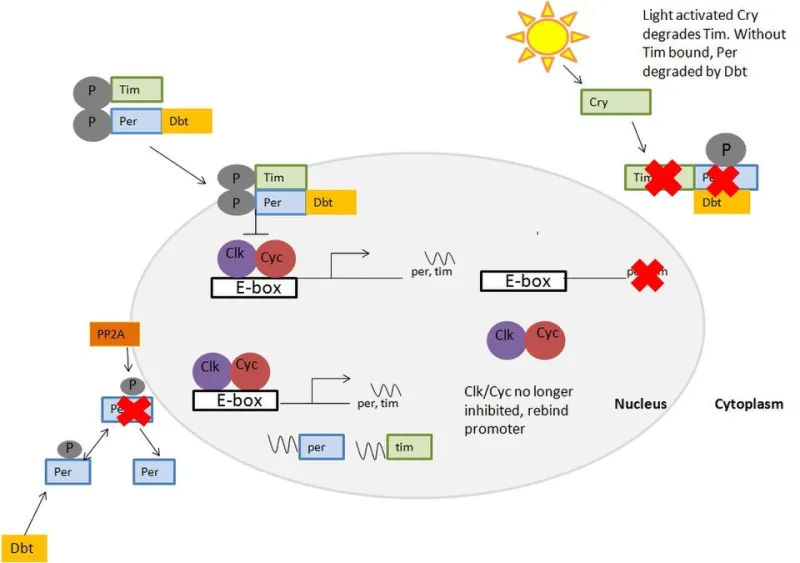
Timing Is Everything: How Circadian Biology Shapes Steroid Hormone Efficacy

Timing Is Everything: How Circadian Biology Shapes Steroid Hormone Efficacy

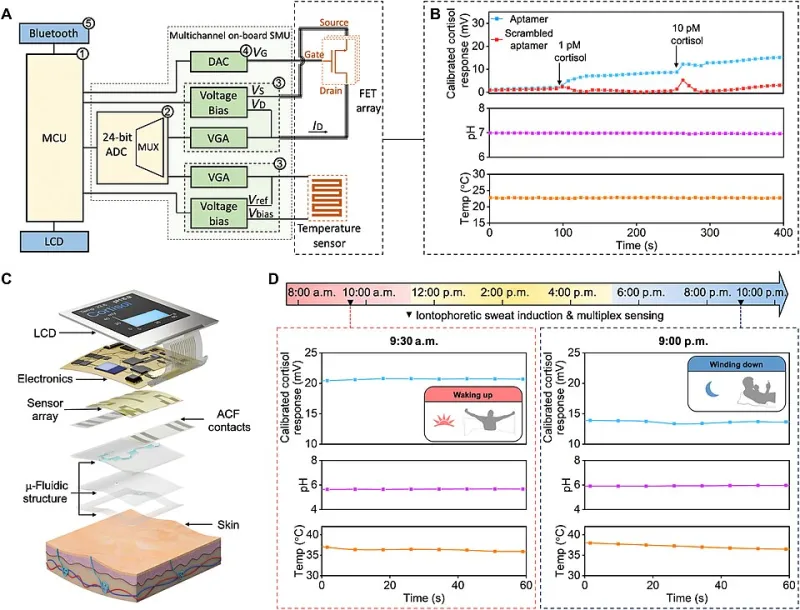
The human body does not treat all hours equally, and neither do its steroid hormones. Emerging research in chronobiology reveals that circadian rhythms exert profound control over cortisol secretion, glucocorticoid receptor sensitivity, and the pharmacological impact of therapeutic steroid administration. Understanding this temporal architecture may fundamentally reshape how clinicians think about dosing schedules and treatment outcomes.

Cortisol's Double Life: When a Life-Saving Hormone Turns Against the Body It Was Built to Protect

Cortisol's Double Life: When a Life-Saving Hormone Turns Against the Body It Was Built to Protect

Cortisol evolved as a precision instrument for short-term survival, mobilizing energy and suppressing inflammation in moments of acute crisis. But modern chronic stressors expose a fundamental design flaw: the same molecular pathways that preserve life in the short term become engines of metabolic and immunological destruction when activated indefinitely. This article examines the biochemical mechanisms behind cortisol's transformation from protector to pathogen.

From Hours to Weeks: The Biochemical Clock Governing Steroid Onset of Action

From Hours to Weeks: The Biochemical Clock Governing Steroid Onset of Action

Not all steroids work on the same schedule. Some compounds trigger measurable physiological changes within hours; others require weeks of continuous exposure before their clinical effects become apparent. The explanation for this striking variation lies in a layered set of biochemical mechanisms—including lipophilicity, receptor expression dynamics, and the inherent delays built into gene transcription and tissue remodeling—that together determine when, and how quickly, a steroid compound regist

The Invisible Gatekeepers: How Carrier Proteins Control Steroid Availability in the Bloodstream

The Invisible Gatekeepers: How Carrier Proteins Control Steroid Availability in the Bloodstream

The concentration of a steroid hormone in the blood tells only part of the story — what matters at the cellular level is how much of that steroid is actually free to act. Sex hormone-binding globulin and albumin serve as molecular gatekeepers that determine whether a steroid reaches its target tissue or remains pharmacologically inert while in transit. Variations in these carrier proteins across individuals and populations quietly shape hormone physiology, drug efficacy, and clinical interpretat

The Androgen-to-Estrogen Conversion: Aromatase and the Hidden Feedback Architecture of Steroid Action

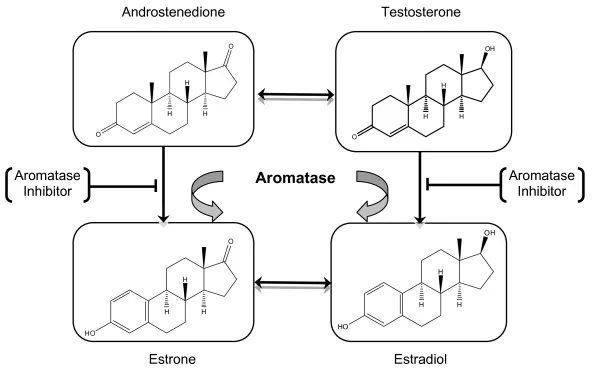
The Androgen-to-Estrogen Conversion: Aromatase and the Hidden Feedback Architecture of Steroid Action

Aromatase, the enzyme responsible for converting androgens into estrogens, operates silently across multiple tissue types and exerts influence that extends far beyond reproductive biology. Its activity creates a parallel biochemical pathway that modifies the net effect of androgen exposure, reshapes hypothalamic-pituitary signaling, and generates clinical consequences that are frequently misattributed or overlooked. This article examines aromatization as a structural feature of steroid biochemis

From Diosgenin to the Dispensary: The Century-Long Chemical Journey That Built Modern Steroid Medicine

From Diosgenin to the Dispensary: The Century-Long Chemical Journey That Built Modern Steroid Medicine

The synthetic steroids that fill today's pharmacy shelves did not emerge from thin air—they were painstakingly derived from plant sterols and animal cholesterol through decades of chemical ingenuity. This article traces the landmark transformations and pioneering chemists who converted humble natural precursors into the corticosteroids, contraceptives, and anabolic agents that have reshaped modern medicine.

The Steroid Hormones Already Inside You: A Biochemical Portrait of Cortisol and Cortisone

The Steroid Hormones Already Inside You: A Biochemical Portrait of Cortisol and Cortisone

Long before synthetic steroids entered the clinical conversation, the human body was already manufacturing its own remarkably sophisticated steroid compounds. Cortisol and cortisone represent the cornerstone of adrenal steroid biology, orchestrating everything from your morning alertness to your immune system's inflammatory response. Understanding their biochemistry is not merely academic — it is foundational to health literacy in the modern era.