The Invisible Gatekeepers: How Carrier Proteins Control Steroid Availability in the Bloodstream
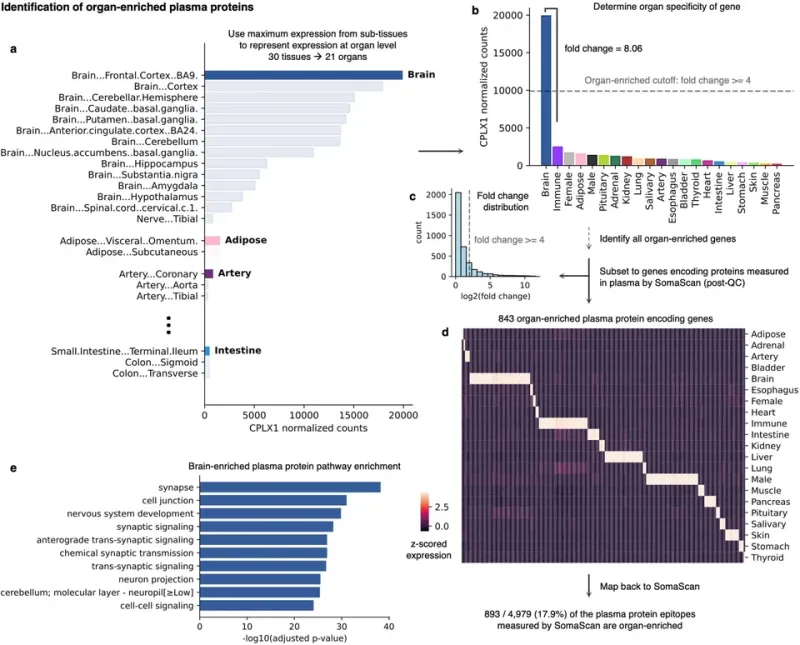
Photo: Authors of the study: Hamilton Se-Hwee Oh, Jarod Rutledge, Daniel Nachun, Róbert Pálovics, Olamide Abiose, Patricia Moran-Losada, Divya Channappa, Deniz Yagmur Urey, Kate Kim, Yun Ju Sung, Lihua Wang, Jigyasha Timsina, Dan Western, Menghan Liu, Pat
A testosterone measurement on a standard laboratory report reflects the total concentration of the hormone circulating in plasma. What that number does not reveal is how much of that testosterone is doing anything biologically meaningful. The distinction matters enormously — and it hinges on a pair of proteins that most patients, and even some clinicians, rarely consider: sex hormone-binding globulin (SHBG) and albumin.
These carrier proteins are not passive bystanders in steroid physiology. They are active determinants of bioavailability, half-life, and tissue delivery — functioning as molecular gatekeepers that decide, in effect, which fraction of a circulating steroid gets to knock on a cell's door.
Two Proteins, Different Binding Strategies
SHBG is a glycoprotein synthesized primarily in the liver and secreted into the bloodstream, where it binds steroid hormones with high affinity and high specificity. Its principal targets are testosterone, dihydrotestosterone (DHT), and estradiol, though it interacts with other steroids to varying degrees. The binding constant for testosterone and SHBG is exceptionally tight — on the order of nanomolar affinity — meaning that once testosterone is bound to SHBG, it is effectively sequestered and unable to diffuse into target tissues or activate intracellular receptors.
Albumin, by contrast, is the most abundant protein in human plasma and binds steroids with considerably lower affinity. This weaker interaction is not without consequence, however. Because albumin's grip on steroid molecules is relatively loose, the hormones it carries can dissociate readily as blood passes through capillary beds, where local pH shifts and competitive displacement make release more likely. This has given rise to the concept of "bioavailable" testosterone — a clinical measurement that includes both the free fraction and the albumin-bound fraction, on the grounds that the latter remains accessible to tissues under physiological conditions.
The free fraction — steroids unbound to any carrier protein — typically represents only one to three percent of total circulating testosterone in adult males. Despite its small size, this fraction is widely regarded as the most immediately active pool.
SHBG as a Physiological Rheostat
Because SHBG concentration directly governs how much steroid remains free, any factor that alters SHBG levels effectively recalibrates hormonal activity without changing total hormone output. This is one of the more elegant — and clinically underappreciated — regulatory features of the endocrine system.
Hepatic synthesis of SHBG is responsive to numerous signals. Estrogens, thyroid hormone, and certain liver conditions upregulate SHBG production, reducing free steroid fractions. Androgens, insulin, and growth hormone generally suppress SHBG, increasing the bioavailable fraction. This creates a feedback architecture in which the very hormones that SHBG carries help regulate the abundance of their own transporter.
In clinical practice, this relationship has direct implications for interpretation. A man with total testosterone in the mid-normal range but elevated SHBG — a pattern common in aging, hyperthyroidism, or certain liver diseases — may exhibit symptoms consistent with androgen deficiency despite appearing biochemically adequate on standard panels. Conversely, an individual with low-normal total testosterone but suppressed SHBG may maintain sufficient free hormone activity to remain asymptomatic. The American Urological Association and other US clinical bodies have increasingly acknowledged the limitations of relying on total testosterone alone for diagnostic purposes.
Population-Level Variation and Its Consequences
SHBG levels vary substantially across demographic groups in ways that have measurable effects on steroid physiology and pharmacology. Age is among the most consistent variables: SHBG concentrations tend to rise progressively in men after the fourth decade, contributing to the decline in bioavailable testosterone that characterizes the late-life hormonal shift sometimes termed andropause. Women experience their own SHBG dynamics, with oral contraceptives — which contain synthetic estrogens — producing marked elevations in SHBG that can persist for months after discontinuation, potentially suppressing free testosterone and contributing to symptoms such as reduced libido.
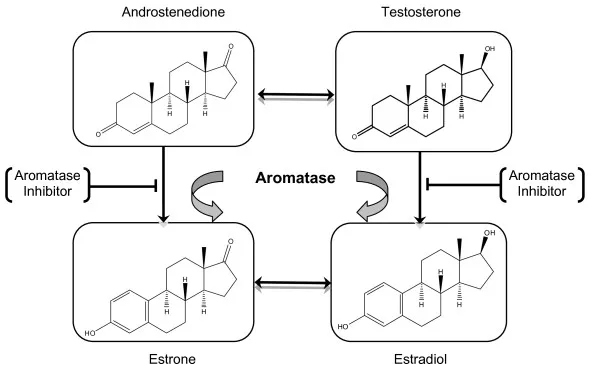
Body composition also plays a role. Adipose tissue is metabolically active and influences both insulin sensitivity and estrogen production through peripheral aromatization. Obesity is associated with lower SHBG, higher free estrogen, and altered androgen availability — a hormonal profile with implications for fertility, cardiovascular risk, and response to exogenous hormone therapy.
Genetic variation in the SHBG gene locus adds another layer of complexity. Polymorphisms affecting promoter activity and protein structure have been associated with baseline differences in SHBG concentration that are independent of lifestyle or disease state, suggesting that a meaningful portion of interindividual variation in steroid bioavailability is heritable.
Pharmaceutical Engineering Around Protein Binding
The pharmaceutical industry has long recognized that carrier protein binding is not merely a pharmacokinetic inconvenience — it is a design parameter. Synthetic steroid analogs developed for clinical use are often engineered with altered protein-binding characteristics as a deliberate feature.
Oral synthetic androgens, for example, are typically modified at the C-17 position to resist hepatic first-pass metabolism. This alkylation also tends to reduce SHBG affinity, increasing the free fraction of the compound and enhancing its effective potency relative to the administered dose. Esterified injectable testosterone formulations — testosterone cypionate and testosterone enanthate, the workhorses of US hormone replacement therapy protocols — rely on slow hydrolysis of the ester bond after intramuscular deposition, with albumin serving as a transient carrier during the release phase.
In the context of glucocorticoid and progestogen pharmacology, protein-binding profiles influence both duration of action and tissue distribution. Synthetic compounds with reduced affinity for corticosteroid-binding globulin (CBG, also known as transcortin) exhibit altered half-lives and distribution kinetics compared to endogenous cortisol — a property that pharmaceutical chemists have exploited to tune drug exposure in target tissues.
Rethinking Bioavailability as a Dynamic Process
Carrier proteins are not static filters. They participate in a continuous, dynamic equilibrium with free steroid fractions, responding to tissue uptake, enzymatic metabolism, and competing ligands in real time. Understanding steroid bioavailability as a fixed percentage misrepresents a system that is constantly in flux.
For researchers and clinicians engaged with steroid biochemistry, this dynamism underscores the importance of moving beyond total hormone measurements toward a more complete picture of the protein-binding landscape. As assay technology improves and population-level genomic data becomes more accessible, the field is better positioned than ever to account for these invisible gatekeepers — and to appreciate just how much they shape the hormonal reality inside every patient.