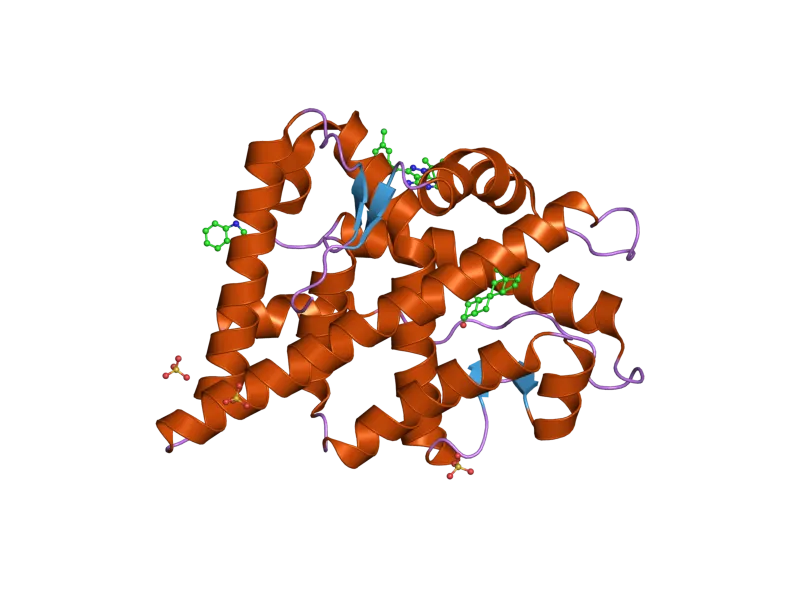
The Steroid Hormones Already Inside You: A Biochemical Portrait of Cortisol and Cortisone
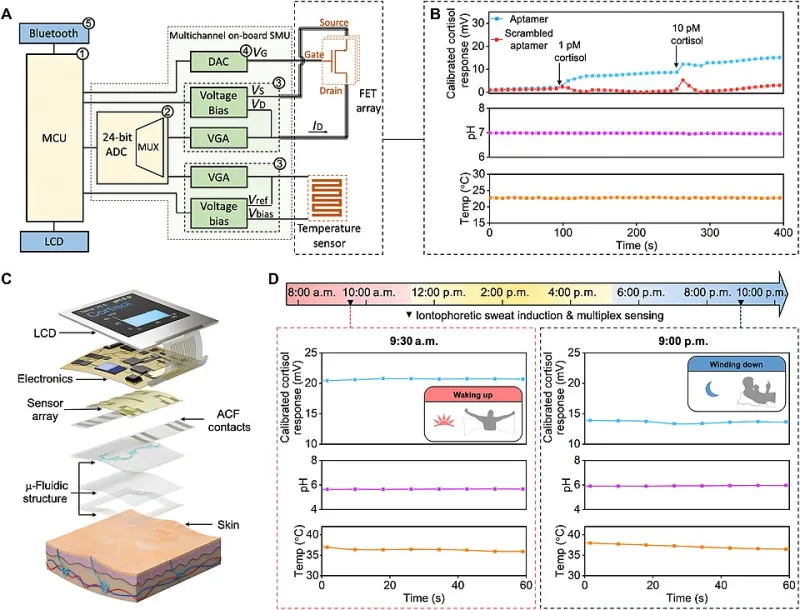
Photo: Authors of the study: Bo Wang https://orcid.org/0000-0002-3986-3415 Chuanzhen Zhao https://orcid.org/0000-0003-0162-1231 Zhaoqing Wang https://orcid.org/0000-0002-5548-3965 Kyung-Ae Yang https://orcid.org/0000-0001-5575-4107 Xuanbing Cheng https://
When most Americans hear the word "steroid," they tend to conjure images of pharmaceutical interventions or athletic controversy. Yet the most consequential steroids in human physiology are the ones the body synthesizes without any external prompting. Cortisol and cortisone — two closely related glucocorticoid hormones produced by the adrenal cortex — govern a staggering range of biological processes, from metabolic regulation to immunological balance. Appreciating their chemistry is essential for anyone seeking a rigorous understanding of how the body actually works.
From Cholesterol to Cortisol: The Biosynthetic Pathway
Both cortisol and cortisone belong to the broader class of corticosteroids, themselves a subset of the steroid superfamily. All steroids share a common structural backbone: the cyclopentanoperhydrophenanthrene ring system, a four-fused-ring scaffold derived, in biological systems, from cholesterol. The adrenal cortex — specifically the zona fasciculata — converts cholesterol through a multi-step enzymatic cascade involving cytochrome P450 enzymes (CYP11A1, CYP17A1, CYP21A2, and CYP11B1) to ultimately yield cortisol, the primary active glucocorticoid in humans.
Cortisone, by contrast, is the oxidized, largely inactive metabolite of cortisol. The enzyme 11β-hydroxysteroid dehydrogenase type 2 (11β-HSD2) converts cortisol to cortisone in tissues where glucocorticoid activity must be locally suppressed — most notably the kidney, where uncontrolled cortisol action would otherwise mimic the effects of aldosterone and disrupt sodium-potassium balance. Conversely, 11β-HSD1 performs the reverse reaction in tissues such as the liver, adipose, and brain, regenerating active cortisol from cortisone and amplifying local glucocorticoid signaling. This enzymatic interconversion represents a sophisticated layer of tissue-specific hormonal regulation that operates largely below the threshold of clinical awareness.
Receptor Mechanisms: How Glucocorticoids Communicate with Cells
Cortisol exerts its effects primarily through the glucocorticoid receptor (GR), a member of the nuclear receptor superfamily. In the absence of ligand, the GR resides in the cytoplasm complexed with heat shock proteins (notably HSP90 and HSP70) that maintain it in a conformation capable of ligand binding. When cortisol diffuses across the lipid bilayer and binds the GR's ligand-binding domain, the receptor undergoes a conformational change, dissociates from its chaperone proteins, and translocates to the nucleus.
Once inside the nucleus, the GR can act through multiple mechanisms. Transactivation occurs when GR homodimers bind glucocorticoid response elements (GREs) in promoter regions of target genes, upregulating transcription of anti-inflammatory proteins such as lipocortin-1 (annexin A1). Transrepression, arguably the more clinically relevant mechanism for immunosuppression, involves the GR physically interacting with pro-inflammatory transcription factors — including NF-κB and AP-1 — and inhibiting their activity without directly binding DNA. This dual capacity to both activate and repress gene expression is what grants cortisol its extraordinary versatility as a signaling molecule.
The HPA Axis and Circadian Rhythmicity
Cortisol secretion is not a static process. It is governed by the hypothalamic-pituitary-adrenal (HPA) axis and exhibits a pronounced circadian rhythm synchronized to the sleep-wake cycle. In healthy adults, cortisol concentrations peak in the early morning — typically between 6:00 and 8:00 a.m. — with serum levels reaching approximately 10–20 micrograms per deciliter. Levels then decline progressively throughout the day, reaching their nadir during the late evening and early sleep phases.
This rhythm is entrained by the suprachiasmatic nucleus (SCN) of the hypothalamus, which drives pulsatile release of corticotropin-releasing hormone (CRH). CRH stimulates the anterior pituitary to secrete adrenocorticotropic hormone (ACTH), which in turn signals the adrenal cortex to produce cortisol. A classical negative feedback loop — wherein rising cortisol levels inhibit both CRH and ACTH secretion — ensures that the system self-regulates. Disruptions to this rhythm, as observed in shift workers, individuals with chronic sleep disorders, or patients with Cushing's syndrome, carry measurable consequences for metabolic and immune health.
Metabolic and Immune Roles: The Double-Edged Nature of Glucocorticoids
Cortisol's physiological portfolio is expansive. In the context of stress — whether psychological, physical, or immunological — cortisol mobilizes energy substrates by stimulating hepatic gluconeogenesis, promoting lipolysis in peripheral adipose tissue, and inducing muscle protein catabolism to supply gluconeogenic amino acids. These actions are acutely adaptive, ensuring that glucose is available to the brain and vital organs during periods of demand.
On the immune side, cortisol functions as a potent endogenous immunomodulator. It suppresses the production of pro-inflammatory cytokines (including IL-1β, IL-6, and TNF-α), inhibits neutrophil migration, and promotes apoptosis in certain lymphocyte populations. This is the biological basis upon which synthetic glucocorticoids like prednisone and dexamethasone were developed for clinical use in conditions ranging from rheumatoid arthritis to severe asthma.
However, chronic elevation of cortisol — whether from sustained psychological stress, HPA axis dysregulation, or exogenous steroid administration — produces a markedly different picture. Prolonged glucocorticoid excess is associated with central adiposity, insulin resistance, osteoporosis, impaired wound healing, and immunosuppression. The same mechanisms that make cortisol acutely protective become destructive when chronically activated, illustrating a fundamental principle in steroid biochemistry: context and duration of exposure profoundly shape biological outcomes.
Clinical Relevance and the Importance of Endogenous Steroid Literacy
For clinicians, researchers, and informed patients alike, a working knowledge of cortisol and cortisone biochemistry carries direct practical implications. Salivary and serum cortisol assays are routinely used to diagnose conditions such as adrenal insufficiency (Addison's disease), Cushing's syndrome, and congenital adrenal hyperplasia. The dexamethasone suppression test — which exploits the HPA axis feedback mechanism — remains a cornerstone diagnostic tool in endocrinology.
Furthermore, understanding the 11β-HSD enzyme system has opened new pharmacological avenues. Selective 11β-HSD1 inhibitors are under active investigation as potential treatments for metabolic syndrome and type 2 diabetes, given that reducing intracellular cortisol regeneration in adipose and hepatic tissue may improve insulin sensitivity without the systemic side effects of broad glucocorticoid suppression.
At Steroid Science, we maintain that a rigorous appreciation of endogenous steroid biology is the necessary foundation for evaluating any exogenous steroid compound — therapeutic or otherwise. Cortisol and cortisone are not footnotes in pharmacology; they are the benchmark against which all synthetic glucocorticoids are measured, and they remain among the most biochemically sophisticated molecules the human body produces.