Timing Is Everything: How Circadian Biology Shapes Steroid Hormone Efficacy
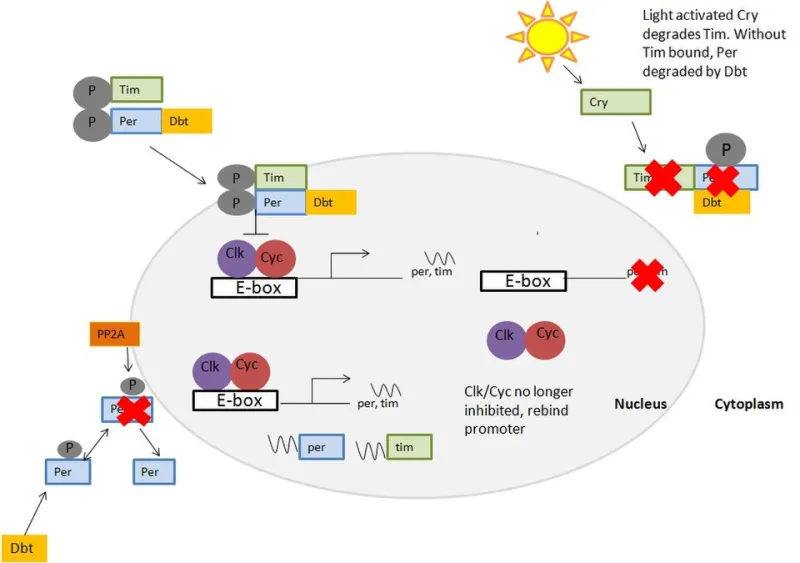
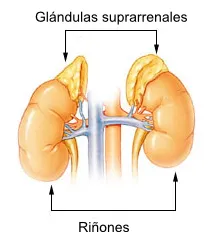
Photo: L.sandieson, CC0, via Wikimedia Commons
Most discussions of steroid pharmacology focus on dose, formulation, and receptor affinity — the classical variables that determine how a compound behaves in the body. Yet one variable receives comparatively little attention in clinical practice: time. Specifically, the hour of day at which a steroid is administered can meaningfully alter its physiological impact, not because the molecule itself changes, but because the biological environment it enters is in constant, rhythmic flux. The field of chronobiology has been building this case for decades, and its implications for steroid science are both scientifically compelling and clinically significant.
The Body's Internal Clock: A Brief Orientation
Circadian rhythms are endogenous biological cycles that repeat approximately every 24 hours, coordinated by a master pacemaker in the brain's suprachiasmatic nucleus (SCN). This central clock synchronizes peripheral clocks distributed throughout virtually every tissue in the body — including the adrenal glands, liver, immune cells, and target tissues for steroid hormones. Light exposure, feeding patterns, and social cues act as external synchronizers, keeping internal rhythms aligned with the external environment.
The practical consequence of this architecture is that the body's biochemical landscape shifts predictably across the day. Enzyme activity rises and falls. Cell membrane permeability fluctuates. Gene expression programs cycle in and out of active states. For steroid hormones, which depend on receptor binding, nuclear translocation, and transcriptional regulation to produce their effects, these rhythmic changes are not incidental — they are mechanistically central.
Cortisol and the Dawn Phenomenon
No steroid illustrates the circadian principle more vividly than cortisol. In healthy adults, plasma cortisol follows a steep diurnal curve: concentrations begin rising in the early morning hours, typically around 2:00 to 3:00 a.m., peak sharply near awakening — a phenomenon termed the cortisol awakening response (CAR) — and then decline progressively throughout the day, reaching their nadir in the late evening and early sleep period.
This pattern is not arbitrary. The morning cortisol surge serves a preparatory function, mobilizing glucose, modulating immune readiness, and priming cardiovascular tone in anticipation of the metabolic demands of wakefulness. From an evolutionary standpoint, the timing makes sense: the body is essentially pre-loading its stress response before the day's challenges begin.
Critically, the adrenal cortex does not operate in isolation during this cycle. The hypothalamic-pituitary-adrenal (HPA) axis is itself subject to circadian gating, with corticotropin-releasing hormone (CRH) and adrenocorticotropic hormone (ACTH) secretion peaking in the early morning and suppressed at night. Disrupting this rhythm — through shift work, jet lag, or chronic sleep deprivation — has measurable consequences for cortisol dynamics and downstream metabolic health.
Receptor Sensitivity as a Moving Target
Beyond hormone secretion, circadian biology directly influences glucocorticoid receptor (GR) availability and responsiveness. Research has demonstrated that GR expression and nuclear translocation efficiency vary across the 24-hour cycle in a tissue-specific manner. In immune cells, for example, GR sensitivity appears to be highest during the night and early morning hours — the period when endogenous cortisol is rising — which may help calibrate the magnitude of the anti-inflammatory response relative to circulating hormone levels.
This receptor-level oscillation has a pharmacological corollary: exogenous glucocorticoids administered at different times of day may encounter quantitatively different receptor environments, producing different magnitudes of transcriptional activation even when the dose is held constant. Studies examining inflammatory biomarkers and immune cell counts following fixed-dose glucocorticoid administration have found measurable differences in response depending on whether the drug was given in the morning versus the evening, consistent with underlying variation in receptor sensitivity.
Furthermore, the nuclear factor kappa B (NF-κB) pathway — a primary target of glucocorticoid anti-inflammatory action — is itself subject to circadian regulation. NF-κB activity oscillates across the day, and its phase relationship with GR signaling may influence how effectively a given glucocorticoid dose suppresses inflammatory gene transcription.
Chronopharmacology in Clinical Practice
These mechanistic observations translate into practical clinical questions that are only beginning to receive systematic attention. For patients receiving long-term glucocorticoid therapy — for conditions such as rheumatoid arthritis, asthma, inflammatory bowel disease, or adrenal insufficiency — the timing of administration is a variable that clinicians can control, and the evidence suggests it matters.
In adrenal insufficiency, where the goal of hydrocortisone replacement is to mimic the endogenous cortisol rhythm as closely as possible, morning-weighted dosing is standard practice and physiologically grounded. Administering the largest portion of the daily replacement dose upon waking — with a smaller afternoon dose if required — approximates the natural diurnal curve and reduces the risk of nocturnal over-exposure, which has been associated with metabolic and cardiovascular complications.
For inflammatory conditions, the calculus is more nuanced. Rheumatoid arthritis is characterized by morning stiffness and pain that correlates with overnight cytokine surges, particularly interleukin-6 (IL-6). Research into modified-release prednisone formulations, designed to release drug at approximately 2:00 a.m. when taken at bedtime, demonstrated meaningful reductions in morning stiffness compared to conventional immediate-release dosing taken at the same clock time. This represents a direct clinical application of chronopharmacological principles: aligning peak drug exposure with peak disease activity.
Conversely, concerns about HPA axis suppression argue for morning administration of therapeutic glucocorticoids in contexts where the goal is to minimize endocrine disruption. Because the HPA axis is least sensitive to negative feedback during the early morning — when endogenous cortisol is already high — a morning dose may produce less suppression of the axis than the same dose taken in the evening, when the system is in its most feedback-sensitive state.
The Broader Chronobiological Framework
The circadian regulation of steroid pharmacology extends beyond glucocorticoids. Testosterone secretion also follows a diurnal pattern, with peak levels occurring in the early morning hours and a trough in the late afternoon and evening. This rhythm has implications for the interpretation of diagnostic testosterone measurements — clinical guidelines generally recommend morning blood draws for this reason — and may also bear on the timing of androgen replacement therapy, though this area remains less thoroughly investigated than glucocorticoid chronopharmacology.
Sex hormone-binding globulin (SHBG), the primary carrier protein for androgens and estrogens in circulation, also exhibits diurnal variation, further modulating the bioavailability of both endogenous and exogenous steroid hormones across the day. The interplay between circadian SHBG fluctuations and free hormone fractions adds another layer of temporal complexity to an already intricate system.
Toward Time-Aware Steroid Science
The science of circadian biology and steroid pharmacology has matured to a point where the question is no longer whether timing matters, but how precisely it can be leveraged to optimize therapeutic outcomes. Personalized chronotherapy — tailoring drug timing to an individual's specific circadian phenotype, sometimes called their chronotype — represents a frontier that precision medicine is beginning to approach.
For clinicians managing steroid-dependent conditions, and for researchers designing pharmacological studies, the lesson from chronobiology is clear: a dose is not simply a quantity. It is a quantity delivered into a biological system that changes predictably with the passage of time. Failing to account for that temporal dimension means accepting a layer of variability that is, in principle, controllable. In steroid science, as in much of medicine, understanding the clock may prove just as important as understanding the compound.