The Exit Strategy: Why the Pace of Prednisone Withdrawal Outweighs the Total Dose Consumed
Among the many clinical decisions surrounding glucocorticoid therapy, one consistently receives less attention than it deserves: the tapering schedule. Physicians and patients alike tend to focus on the peak dose—how many milligrams, how many times per day—while treating the withdrawal phase as administrative rather than pharmacological. That assumption carries real consequences. The biochemistry of glucocorticoid cessation is no less complex than the biochemistry of glucocorticoid initiation, and the rate at which prednisone is withdrawn can determine whether a patient recovers smoothly or enters a period of dangerous adrenal insufficiency.
The HPA Axis: A System Built for Equilibrium
To understand why tapering schedules matter, it helps to revisit the hypothalamic-pituitary-adrenal (HPA) axis—the endocrine feedback loop responsible for regulating endogenous cortisol production. Under normal physiological conditions, the hypothalamus releases corticotropin-releasing hormone (CRH), which signals the anterior pituitary to secrete adrenocorticotropic hormone (ACTH). ACTH, in turn, stimulates the adrenal cortex to synthesize and release cortisol. Elevated cortisol then feeds back to suppress both CRH and ACTH secretion, maintaining homeostasis.
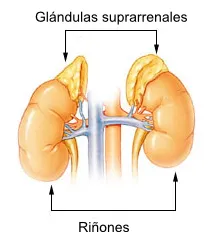
When exogenous glucocorticoids such as prednisone enter this system, they mimic cortisol's negative feedback signal with considerable potency. The hypothalamus and pituitary interpret the presence of circulating synthetic glucocorticoid as evidence of sufficient—or excessive—steroid activity, and they respond accordingly: CRH and ACTH secretion drops. Over days to weeks, the adrenal glands, deprived of their primary trophic stimulus, begin to atrophy functionally. Enzyme systems responsible for steroidogenesis downregulate. The glands do not disappear, but their capacity to respond to physiological demand diminishes substantially.
Duration and Dose: The Two Variables That Set the Clock
Not all prednisone courses produce equivalent levels of adrenal suppression. Research consistently identifies two primary determinants: the dose administered and the duration of therapy. A short course—commonly defined as fewer than three weeks at doses below 20 mg per day—rarely produces clinically meaningful HPA suppression in most patients. The axis retains sufficient responsiveness to resume normal function within days of discontinuation.
Longer courses at higher doses tell a different story. Patients receiving 20 mg or more of prednisone daily for periods exceeding three to four weeks exhibit measurable reductions in ACTH stimulation testing responses. At doses approximating or exceeding 40 mg daily for extended periods, the degree of suppression can be profound, with adrenal recovery timelines extending from weeks to several months. The critical insight here is that the total cumulative dose is a less reliable predictor of suppression severity than the combination of peak dose and treatment duration—a distinction with direct implications for how tapering protocols should be designed.
Why Abrupt Cessation Is a Physiological Provocation
Abrupt withdrawal of prednisone after prolonged therapy confronts the body with two simultaneous problems. First, the exogenous glucocorticoid signal disappears immediately. Second, the adrenal glands—still functionally suppressed—cannot compensate by ramping up endogenous cortisol production on short notice. The resulting deficit manifests as adrenal insufficiency: fatigue, hypotension, nausea, electrolyte disturbances, and in severe cases, adrenal crisis, which constitutes a medical emergency.
Beyond adrenal insufficiency, abrupt cessation frequently triggers rebound inflammation. Glucocorticoids suppress the transcription of numerous pro-inflammatory cytokines, including interleukin-1β, interleukin-6, and tumor necrosis factor-alpha. When pharmacological suppression lifts suddenly, these inflammatory mediators rebound toward—and sometimes beyond—baseline levels. In patients being treated for inflammatory conditions such as rheumatoid arthritis, inflammatory bowel disease, or asthma, this rebound can produce a flare indistinguishable from disease relapse, leading clinicians to mistakenly reinstate full doses when a more gradual taper would have prevented the flare entirely.
The Kinetics of Adrenal Recovery
Adrenal recovery following glucocorticoid therapy does not proceed linearly, and this nonlinearity is precisely why tapering schedules require careful calibration. During the early phase of dose reduction—when prednisone is still present at pharmacologically active levels—the HPA axis begins tentatively reasserting itself. CRH neurons in the hypothalamus resume pulsatile secretion, and pituitary corticotrophs gradually restore ACTH output. This phase is relatively forgiving; the patient still has some exogenous steroid aboard to cover physiological demand.
The critical vulnerability window arrives as doses approach the physiological replacement range—roughly equivalent to 5 to 7.5 mg of prednisone daily, which approximates normal cortisol production. At this threshold, the exogenous contribution and endogenous production must transition from overlap to handoff. If the taper moves too quickly through this range, the patient's recovering adrenal axis may not yet produce sufficient cortisol to meet baseline needs, let alone the demands of physical or psychological stress. Clinicians experienced in glucocorticoid management frequently slow the taper deliberately at this physiological crossover point, reducing dose in smaller increments and extending the interval between reductions.
Designing a Taper: Principles Over Protocols
No universal tapering schedule exists, and that absence reflects genuine biological variability. Individual differences in HPA axis sensitivity, baseline adrenal reserve, the underlying condition being treated, and concurrent medications all influence how quickly a given patient can tolerate dose reduction. What the science does provide is a set of mechanistic principles that should inform any protocol.
First, the rate of reduction should slow as doses approach the physiological range. Reducing from 60 mg to 40 mg over one week carries far less risk than reducing from 7.5 mg to 5 mg over the same interval. Second, patients should be counseled to recognize symptoms of adrenal insufficiency—particularly during periods of intercurrent illness or physical stress—so that temporary dose increases can be implemented when physiological demand exceeds adrenal capacity. Third, formal assessment of HPA axis recovery, typically via the ACTH stimulation test, may be warranted in patients who have undergone prolonged high-dose therapy before complete discontinuation is attempted.
The Broader Lesson
The prednisone tapering question illuminates a broader principle in steroid pharmacology: the dynamics of drug removal are as pharmacologically meaningful as the dynamics of drug administration. Steroid compounds do not merely occupy receptors and then leave; they reshape the endocrine landscape in ways that persist long after the last dose. Understanding how that landscape recovers—and at what pace it can tolerate intervention—is as essential to safe clinical practice as understanding receptor binding affinity or anti-inflammatory potency.
For patients navigating long-term glucocorticoid therapy, and for the clinicians guiding them, the tapering schedule is not an afterthought. It is, in many respects, the most consequential part of the prescription.