One Carbon, Profound Consequences: The Biochemical Power of Steroid Methylation
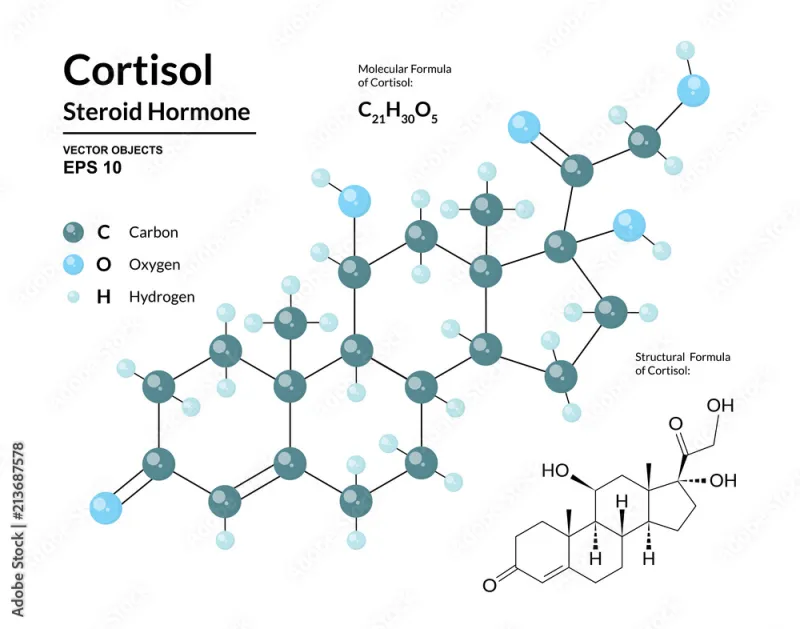
Photo: molecular model steroid chemical structure laboratory research, via as2.ftcdn.net
In organic chemistry, a methyl group is among the smallest functional units imaginable—a single carbon atom bonded to three hydrogen atoms. Yet when this modest fragment is attached to a steroid scaffold at a strategically chosen position, the downstream effects on pharmacokinetics, receptor dynamics, and clinical safety can be dramatic. The story of steroid methylation is, in many respects, a story about how molecular architecture governs biological destiny.
What Methylation Actually Does to a Steroid Molecule
Steroid compounds share a common four-ring carbon backbone. The precise arrangement of substituents along that backbone—hydroxyl groups, ketones, double bonds, and methyl groups—determines how each molecule interacts with enzymes, transport proteins, and nuclear receptors. When chemists introduce a methyl group at a specific carbon position, several things can change simultaneously.
First, steric bulk increases. The added carbon projects into three-dimensional space, altering how closely the steroid can approach the active site of a metabolizing enzyme or the binding pocket of a receptor. Second, electronic density shifts subtly around the adjacent carbons, which can affect the molecule's susceptibility to oxidative attack. Third, lipophilicity may increase modestly, influencing distribution across tissue compartments. Together, these effects mean that a methylated steroid and its unmethylated parent compound can behave as pharmacologically distinct entities despite sharing nearly identical core structures.
The Liver's Role and Why Methylation Matters Clinically
For any orally administered steroid, the liver represents the primary obstacle to systemic bioavailability. Hepatic cytochrome P450 enzymes—particularly the CYP3A4 family—are extraordinarily efficient at oxidizing steroid molecules, converting them into polar metabolites that are rapidly excreted. Most natural steroid hormones, including testosterone and cortisol, are so efficiently cleared by first-pass hepatic metabolism that oral administration yields negligible plasma concentrations.
The introduction of a methyl group at the 17-alpha position of the steroid D-ring is the most consequential methylation strategy in pharmacological history. The 17-alpha methyl group creates steric hindrance directly adjacent to the 17-beta hydroxyl, the preferred site of oxidation by hepatic 17-beta hydroxysteroid dehydrogenase. This spatial interference dramatically slows enzymatic inactivation, allowing the compound to pass through the intestinal wall and the hepatic circulation largely intact. The result is oral bioavailability where none previously existed.
Methyltestosterone, one of the earliest synthetic androgens developed in the 1930s, exemplifies this principle. Its unmethylated counterpart, testosterone, cannot be administered orally with any clinical reliability. Methyltestosterone, however, reaches systemic circulation in therapeutically meaningful concentrations following oral dosing. The same logic applies to stanozolol and oxandrolone, both of which carry structural features that impede hepatic oxidation.
Corticosteroids and the Subtler Methylation Calculus
Methylation in the corticosteroid family follows a different but equally instructive pattern. Prednisolone, the active metabolite of prednisone, differs from cortisol primarily by the introduction of a double bond between carbons 1 and 2—a modification that is not strictly a methyl addition but that similarly reduces hepatic clearance and amplifies glucocorticoid receptor affinity. More directly relevant is methylprednisolone, which adds a 6-alpha methyl group to the prednisolone scaffold.
This 6-alpha methylation has measurable pharmacological consequences. Methylprednisolone demonstrates modestly greater anti-inflammatory potency than prednisolone on a milligram-per-milligram basis, a difference attributable in part to enhanced receptor binding affinity and a somewhat prolonged half-life. Critically, the 6-alpha methyl group also reduces the compound's affinity for mineralocorticoid receptors relative to cortisol, which translates into less sodium retention and fluid accumulation in patients. For clinicians managing conditions such as autoimmune disorders, inflammatory bowel disease, or acute spinal cord injury—where high-dose corticosteroid therapy is sometimes employed—this mineralocorticoid-sparing effect carries genuine clinical significance.
Dexamethasone offers another instructive example. Its 16-alpha methyl group, combined with a 9-alpha fluorine substituent, produces a compound with negligible mineralocorticoid activity and extraordinarily high glucocorticoid potency—roughly 25 times that of cortisol. The methyl group at position 16 plays a direct role in disrupting the spatial geometry required for mineralocorticoid receptor engagement, effectively decoupling the two receptor-activation pathways that cortisol straddles.
Receptor Affinity: When Methylation Sharpens or Blunts the Signal
The relationship between methylation and receptor affinity is not uniformly additive. At some positions, a methyl group enhances the complementarity between the steroid and its cognate receptor binding pocket, increasing binding affinity and prolonging receptor occupancy. At others, the added bulk introduces steric clashes that weaken binding or redirect the molecule toward a different receptor subtype altogether.
Oxandrolone, a 17-alpha methylated androgen developed in the 1960s and still used clinically today for conditions including weight restoration after severe illness and burn recovery, demonstrates relatively high anabolic-to-androgenic selectivity. Its methylation pattern, combined with other structural features, produces a binding profile that favors anabolic receptor-mediated effects while generating comparatively modest androgenic signaling. This selectivity is not absolute, but it has made oxandrolone one of the more clinically tolerable oral androgens available in the United States.
Conversely, some methylation patterns amplify androgenic signaling in ways that limit therapeutic utility. Understanding precisely which positional isomers produce which receptor outcomes has been a central preoccupation of steroid medicinal chemistry for decades, and the field continues to refine its predictive models.
The Hepatotoxicity Trade-Off
Resistance to hepatic metabolism is not without cost. Because 17-alpha methylated androgens accumulate in hepatocytes rather than being efficiently cleared, they expose liver tissue to sustained high local concentrations. This prolonged hepatic exposure is associated with cholestatic jaundice, elevation of liver transaminases, and in rare cases, more serious hepatic pathology including peliosis hepatis—a condition characterized by blood-filled cavities within the liver parenchyma.
This toxicological liability is one reason the pharmaceutical industry has largely moved away from 17-alpha methylated androgens for therapeutic applications, preferring injectable esterified forms of testosterone or transdermal delivery systems that bypass hepatic first-pass metabolism entirely. The methylation that confers oral bioavailability is, in a meaningful sense, the same structural feature that limits long-term clinical acceptability.
A Template for Rational Drug Design
The study of steroid methylation offers a compelling illustration of a broader principle in medicinal chemistry: small structural changes can produce pharmacologically significant, and sometimes clinically decisive, differences in drug behavior. For researchers and clinicians operating within the steroid pharmacology space, the positions at which methyl groups are added, removed, or repositioned represent genuine levers of therapeutic control—tools for tuning potency, selectivity, metabolic stability, and tissue distribution.
As computational modeling and structural biology continue to advance, the ability to predict the consequences of specific methylation patterns before synthesizing a compound is improving. This progress holds promise for the rational design of next-generation steroid therapeutics with improved safety profiles—compounds that retain the metabolic stability conferred by strategic methylation while sidestepping the toxicological consequences that have historically accompanied it.
The methyl group, unremarkable in isolation, remains one of the most consequential tools in the steroid chemist's repertoire.